
Exploring the lush Caribbean island of St Lucia, you’ll be instantly captivated by its rich, aromatic cacao plantations. This island is a tropical paradise with stunning natural beauty and a prime destination for chocolate aficionados.
St Lucia’s fertile volcanic soil and warm climate contribute to producing some of the world’s finest cacao.
Introduction to Chocolate Making in St Lucia
On immersive chocolate tours in St Lucia, the magic of chocolate making comes to life. It’s an experience that tantalizes the senses, from the deep, earthy scent of the cacao pods to the smooth taste of the final product.
During these St Lucia chocolate tours, you’ll discover the intricate processes of chocolate production. From bean to bar, every step is a testament to the skill and dedication of local chocolatiers.
The tours provide a hands-on opportunity to engage with the chocolate-making process. Witnessing the ripening cacao pods and grinding them into rich, velvety chocolate is a fantastic experience.
The tasting experiences further enriched our understanding of the complexity of chocolate flavors. Sampling a range of meticulously crafted chocolates, each with its own unique profile, was delightful and educational.
The subtle nuances of flavor coaxed from the cacao by skilled artisans highlighted why St Lucia is a must-visit destination for anyone passionate about chocolate. Whether a connoisseur or a casual enthusiast, the chocolate tours in St Lucia promise a sweet, enlightening adventure that celebrates the island’s chocolate heritage.
History of Chocolate in St Lucia
Before Saint Lucia established itself as an esteemed source of fine chocolate, the island’s chocolate history unfolded over centuries.
Birth of the Cocoa Industry
In the 1700s, the cocoa industry flourished as part of Saint Lucia’s broader agricultural development. Initial forays into cocoa cultivation began under colonial authority, with the island producing cocoa as one of several cash crops.
Transformation Over Centuries
Saint Lucian chocolate heritage has been shaped by fluctuations in the global market and agricultural focus. Through eras of prosperity and adversity, local farmers have progressively refined their production techniques. They have transitioned from mere exporters of raw cocoa to producers of high-quality artisanal chocolate.
This evolution has ingrained chocolate into the island’s cultural and economic identity. These days, chocolate tourism is an important element of St Lucia’s appeal.
The Chocolate Making Process
In St Lucia, the transition of cocoa from tree to a luxurious chocolate bar is an intricate journey that blends tradition with expertise.
From the Cocoa Plant to the Bean
On our visit to a working cocoa plantation, we witnessed the first steps of chocolate-making: the harvest and post-harvest processes. Cocoa pods, carefully selected from the cocoa tree, are harvested mainly by hand using skill that ensures the integrity of the branches for future crops.
Inside each pod, cocoa beans can be found among the sweet, fibrous pulp.
- Harvesting: Cocoa pods are carefully cut from the trees using a sharp blade on a long pole or by hand, avoiding damage to the tree.
- Opening the Pods: The harvested pods are then opened with a machete, not unlike how one would crack a coconut.
- Extracting the Beans: The cocoa beans are then scooped out. The beans, still covered with the sweet pulp, are collected for the fermentation process.
- Fermentation is a crucial step to develop the beans’ flavor. During this stage, the beans are placed in large, shallow boxes or heaped in piles and covered with banana leaves. Over several days, they ferment, and their flavors begin to develop. The aroma hints at the complex flavors that will emerge in the final product.

Crafting the Chocolate Bar
Moving on from the bean to the final product requires several precise steps. The fermented beans are dried under the St Lucian sun on large trays or mats, turned regularly to ensure even drying.
Once the moisture content falls below a certain level, the beans are ready for the next stages.
- Roasting: The beans are carefully roasted to bring out the rich flavors and aromas that are characteristic of high-quality chocolate.
- Winnowing: After roasting, the beans are cracked open, and their shells are separated from the nibs – the essence of what will become chocolate.
- Grinding: Using traditional methods, the nibs are ground with a mortar and pestle, a process that transforms them into a liquified cocoa mass.
Finally, additional ingredients like sugar and milk (for milk chocolate) are incorporated. The chocolate mass is then conched, a refining process that smoothens it, and tempered, which stabilizes the chocolate, giving it a glossy finish and a satisfying snap.
The liquid chocolate is poured into molds, cooled, and solidified to create the sumptuous bars that embody the bean to bar or even tree to bar experience. Care and labor have taken the beans from a flowering cocoa plant on an organic farm to a beautifully made chocolate.

St Lucia Chocolate Tours at Renowned Plantations
In Saint Lucia, several renowned chocolate farms offer immersive tours that showcase the island’s rich chocolate heritage. From the exquisite beauty of the cacao groves to the final product, you’ll have unique experiences at these estates.
Project Chocolat at Hotel Chocolat’s Rabot Estate
Hotel Chocolat’s Rabot Estate impresses with its fusion of luxury and agriculture. Surrounded by lush rainforest and panoramic views, a tour of the cacao groves is mesmerizing.
Here, cocoa pods grown from Project Chocolat’s own beans are abundant. The process of chocolate-making is revealed step-by-step at their “Tree-to-Bar” experience.
Guests also learn how to make their own bar of chocolate from scratch. It’s an insightful hands-on activity that culminates in a truly personal chocolate creation.
Hotel Chocolat has not only mastered the art of chocolate but also offers an innovative cacao beer tasting. This adds a unique twist to the traditional chocolate experience.
Tasting Experience:
- Cacao Shot
- Artisanal Chocolate Bars
Tour Highlights:
- Cacao Tree Orchards
- Chocolate-making Demonstrations

Fond Doux Plantation & Resort
At the Fond Doux Plantation & Resort, history merges with the present. The estate showcases a deep-rooted connection to the land with centuries-old traditions.
Walk amongst ancient cocoa trees, learning about the time-honored methods of cultivation and processing. Being at Fond Doux, you feel connected to the heart of Saint Lucia’s chocolate history.
Cultural Insights:
- Historical Cacao Processing
- Plantation Heritage Tours
Guest Experience:
- Eco-friendly Accommodations
- Proximity to Tet Paul Nature Trail
Emerald Farm by Jade Mountain
Located around 20 minutes from Jade Mountain resort, Emerald Farm provides an authentic and educational tour with an emphasis on sustainable farming practices. Learn about farming techniques that respect the environment and produce high-quality cacao.
The tour gives a comprehensive view of the cocoa production process, from planting to the final chocolate product, emphasizing the island’s commitment to eco-friendly methods. Participants will also see the organic produce grown by chef Allen Susser’s team, from micro greens to spices and nuts.
Sustainable Practices:
- Organic Cacao Cultivation
- Eco-conscious Farming
Educational Elements:
- Chocolate Production Insights
- Hands-on Farming Experience
Chocolate Tastings and Experiences
In St Lucia, chocolate isn’t just a sweet treat; it’s a versatile ingredient that sparks culinary creativity. Chefs and chocolatiers alike are crafting innovative dishes and beverages that showcase the island’s rich cacao.
In addition to exploring the lush cacao plantations, St Lucia offers an array of chocolate-themed experiences that go beyond the traditional tours. These immersive activities will delight the senses of chocolate lovers in unique and memorable ways.
Cacao Sainte Lucie
One of St Lucia’s chocolate producers, Cacao Sainte Lucie, has been at the forefront of culinary innovation, transforming the humble cacao bean into a diverse range of gastronomic delights.
Their commitment to quality begins with selecting the finest cacao beans; which leads to a distinctive chocolate flavor profile that’s both earthy and complex. The shop sells a delicious array of chocolate bars, truffles, chocolate coated almonds and luxury hot chocolate. You can also pick up chocolate scented candles and beauty products.
Don’t miss the Cocoa Restaurant on the first floor serving up cocoa infused dishes. We loved the panoramic valley views, the chocolate dipping sauces and tasty dishes.
If you have time, book in for one of Cacao St Lucie’s workshops, such as their Bean to Bar Orientation Tour and Chocolate Sampling or their French Chocolate Truffle Making Class.

Chocolate Cocktail Making at Cap Maison
For those who prefer a more spirited experience, Cap Maison offers a chocolate cocktail-making class that is simply intoxicating. You get to experiment with chocolate and a variety of local rums to create personalized chocolate-infused libations.
What’s more, the setting is unparalleled, on the upscale Cap Estate in the Northern part of the island. The friendly team take pleasure in helping you to make the cocktails and they really do taste fantastic!

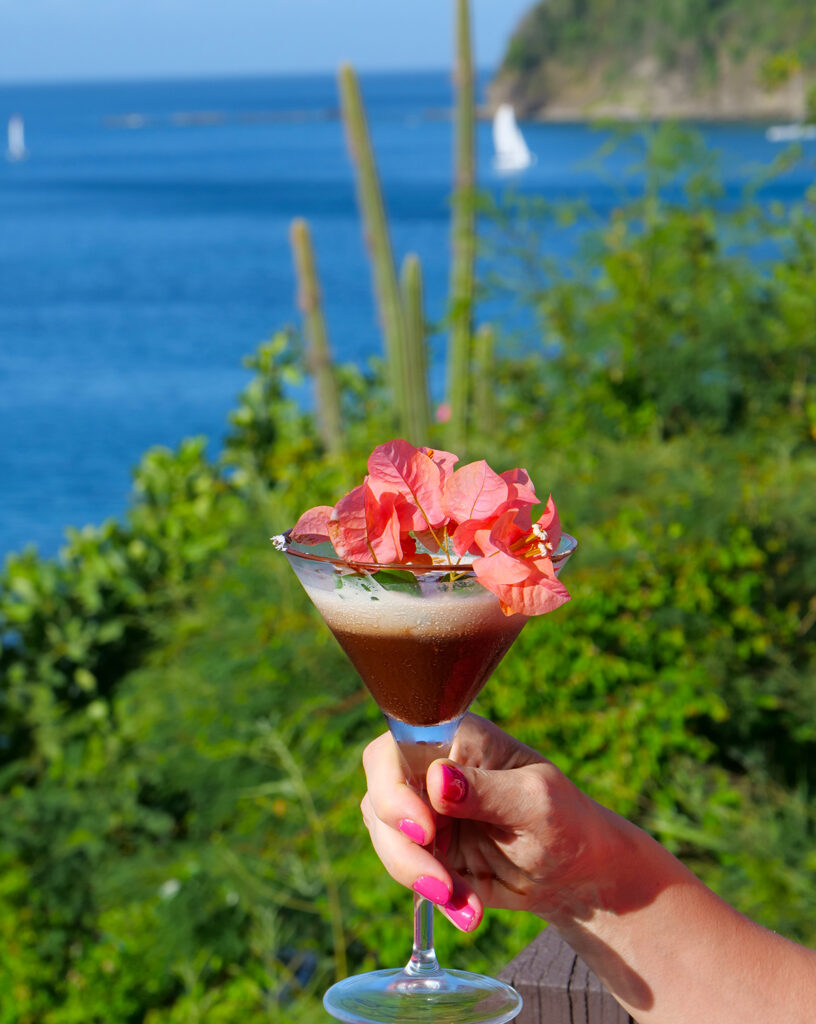
Chocolate and Rum Masterclass at Rabot Hotel
Experience the perfect combination of fine rum and chocolate at Rabot Hotel by Hotel Chocolat. The fun tasting sessions take place on the verandah of Plantation House, the oldest building on the Rabot Estate.
You’ll get to try a range of different rums, some spiced and some aged, and to see which ones work best with different types of chocolate. There are no right or wrong choices, it’s all a matter of personal preference!

Chocolate Cuisine
Experimentation with chocolate pairings and drinks has resulted in a delightful array of options. From sweet to savory, the flavor combinations are endless.
- Cacao Cuisine: The inclusion of melted chocolate in savory dishes adds depth and richness. Local chefs incorporate chocolate into sauces and glazes that pair exceptionally with proteins such as pork and chicken.
- Cacao Tea: Visitors to St Lucia should definitely try cocoa tea. This rich, aromatic brew has a slightly bitter taste. One good place to try it is at the Farmher’s Market in Castries. On the last Saturday each month, women farmers sell a range of gifts and organic produce.
- Chocolate Beer: St Lucia’s innovative brewers have crafted a chocolate beer that perfectly balances the bitterness of hops with the subtle sweetness of cacao. It’s a bold blend that marries the roasted notes of the cacao with the aromatic qualities of the beer.
- Chocolate and Fruit Pairings: Lucian chocolate pairs splendidly with local tropical fruits. For instance, the combination of chocolate and banana creates a truly indulgent experience, with the sweetness of the fruit complementing the richness of the chocolate.

Chocolate Spa Treatments
Beyond the palate, St Lucia offers chocolate experiences that engage the entire body. At Ti-Spa in Calabash Cove Resort you can immerse yourself in a chocolate body mask that nourishes and revitalizes the skin.
Another great chocolate spa in St Lucia is Cacao de Beauté at the Rabot Hotel. The semi open-air setting and rich cacao infused treatments are truly nourishing for the body and soul.
- Spa Experience Highlights:
- Chocolate Body Masks
- Cacao-infused Oils for Massage

Accommodation with a Chocolate Twist
For true chocolate enthusiasts, staying at hotels that integrate the essence of cacao can be a transformative experience. Not only are these stays immersed in the world of chocolate, but they also present unique culinary adventures.
On the boutique end, there are several chocolate-inspired stays in St. Lucia, each offering their own spin on cacao-themed luxury.
Rabot Hotel by Hotel Chocolat
Rabot Hotel by Hotel Chocolat offers an experience that’s as close to staying on a working cacao plantation as you can get. Most of the lodges boast views of Saint Lucia’s Piton Mountains – a UNESCO World Heritage site.
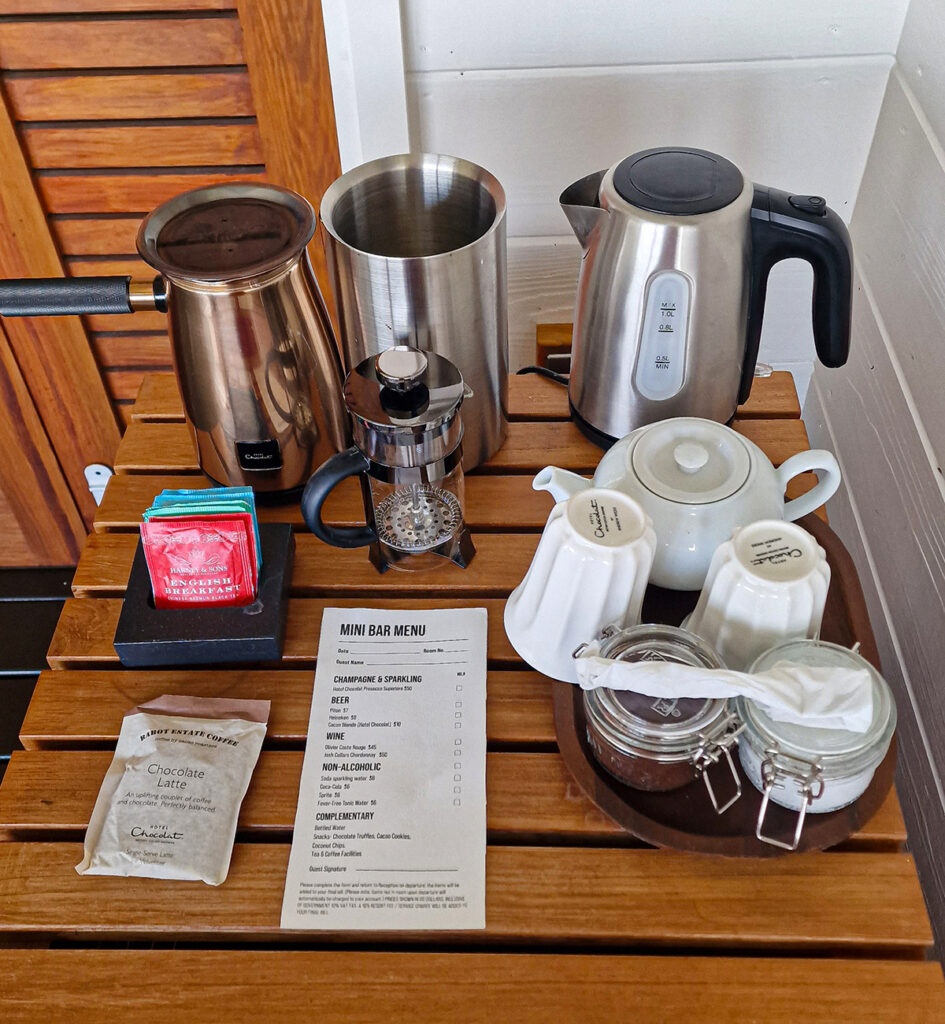
Each room has an in-room Velvetiser™ to make delicious hot chocolate, and fresh chocolate treats are delivered daily. Resort guests also have access to a number of scenic trails.
Dining here is a cacao-infused delight, with dishes incorporating cocoa nibs, such as mole poblano and other chocolate-infused savory items. The resort’s spa treatments at Cacao de Beauté also incorporate cacao.
Jade Mountain Resort
At Jade Mountain Resort, guests can indulge in rooms that feature chocolate-themed amenities, such as in-room ‘chocolate bars’ stocked with an assortment of crafted chocolates. Each December, Jade Mountain hosts a Chocolate Festival, where local and international chocolatiers showcase their artisanal chocolates, and visitors can indulge in various chocolate-related activities and entertainment.

Community and Chocolate
The intertwining of St. Lucia’s chocolate heritage and community is profound and essential.
Project Chocolat
Project Chocolat is a comprehensive endeavor that enhances St. Lucia’s cocoa industry. It is centered around an organic farm that operates not just as an agricultural enterprise, but also as an educational platform. Here’s how the project underscores community involvement:
- Education: Workshops on organic farming methods are regularly held.
- Sustainability: The farm propagates traditional and sustainable cocoa farming practices.
- Cultural Preservation: Aims to maintain cocoa’s cultural significance on the island.
Engagement with Local Farmers
The success of St. Lucia’s cocoa industry is tied to the tenacity and passion of local farmers. There’s an intimate connection with the land and the craft of chocolate-making:
- Collaboration: Farmers work with agronomists to improve yield and quality.
- Revenue Sharing: Profit-sharing models ensure fair compensation.
- Community Development: Investment in infrastructure supports the community, further enriching the vibrant working cocoa plantation landscape.

Chocolate Heritage Month
St. Lucia celebrates Chocolate Heritage Month annually in August to honor the country’s history and tradition of cocoa and chocolate production. During this month, various events and activities are organized to showcase St. Lucia’s chocolate industry.
These include chocolate factory tours, chocolate-making demonstrations, chocolate tastings, and culinary events featuring chocolate-based dishes and drinks.
Ecotourism and Sustainable Chocolate Production
The balance of eco-friendly practices and tourism is crucial for sustainable development. In St. Lucia, this balance is seen in the chocolate industry, where organic chocolate farming and careful monitoring of rainfall patterns ensure the longevity of cocoa harvests.
Organic Chocolate Farming
On the island of Saint Lucia, organic farms place a strong emphasis on maintaining a chemical-free environment. This approach not only preserves the natural ecosystem but also guarantees the purity of the cacao produced.
One key element is no use of synthetic fertilizers or pesticides. There are a range of methods used in these organic farms to foster natural cocoa cultivation:
- Crop Rotation: Helps to preserve soil fertility.
- Natural Pest Control: Utilizes local wildlife and flora to manage pests, reducing the need for harmful chemicals.
- Composting: Fosters healthy soil by recycling organic waste into nutrient-rich compost.
Visitors to the working cocoa plantations in St. Lucia not only savor the taste of pure, organic chocolate but also witness the sustainable production methods that safeguard the island’s rich biodiversity.

Rainfall and Cocoa Harvest
The rainfall patterns on the island play a pivotal role in the success of the cocoa harvest. Adequate rainfall is essential for the cacao trees to flourish.
Here are the specifics related to rainfall and its impact on the cocoa crop:
- Optimal Rainfall: St. Lucia’s tropical climate provides sufficient rain for cacao cultivation, with the wettest months usually between June and November.
- Water Conservation: Efficient systems are in place to collect and conserve rainwater during the wet season, ensuring water availability throughout drier periods.
St. Lucia’s chocolate tours offer an authentic experience that aligns with the ecological values of the island and the expectations of environmentally conscious visitors.
Final Thoughts on St Lucia Chocolate Tours and Tastings
As you immerse yourself in St Lucia’s chocolate scene, you can’t help but be impressed by the way cacao is woven into the island’s culinary identity. The chocolate tours are a delightful blend of educational experiences and sensory pleasures.
The Soufrière and Anse regions, in particular, stand out with their expertly crafted tours that provide insights into local chocolate production. If you seek an authentic island experience, these tours are a testament to Saint Lucia’s heritage and natural beauty. They leave you with a profound appreciation of the art of chocolate-making and the island’s commitment to sustainable production practices.
A Saint Lucian chocolate tour is an enriching encounter that we highly recommend. This is not just about tasting chocolate, it’s about immersing oneself in the heart of Saint Lucia’s culture and landscape.
Read Next:
