
Coffee has been an essential part of numerous cultures and has grown to be one of the most popular beverages worldwide. With a long history and immense popularity, it’s no surprise that some countries have become renowned for producing the best coffee. The quality of coffee not only depends on the beans and processing methods but also on the climate, soil, and altitude where it is grown.
Several countries have made their mark in providing exceptional coffee to the world. Ethiopia, known as the birthplace of coffee, has long been praised for its unique flavor profiles and rare bean varieties.
Brazil, the biggest coffee-producing country globally, possesses rich, fertile land that contributes to producing some of the finest coffee in the world. Other top coffee-producing nations include Vietnam, Colombia, and Indonesia, each having their distinct characteristics and flavors that appeal to coffee enthusiasts.
This article will explore the best coffee countries, delving deeper into their coffee-growing environments and the factors that contribute to their high-quality production.
Best Coffee Countries
1. Ethiopia
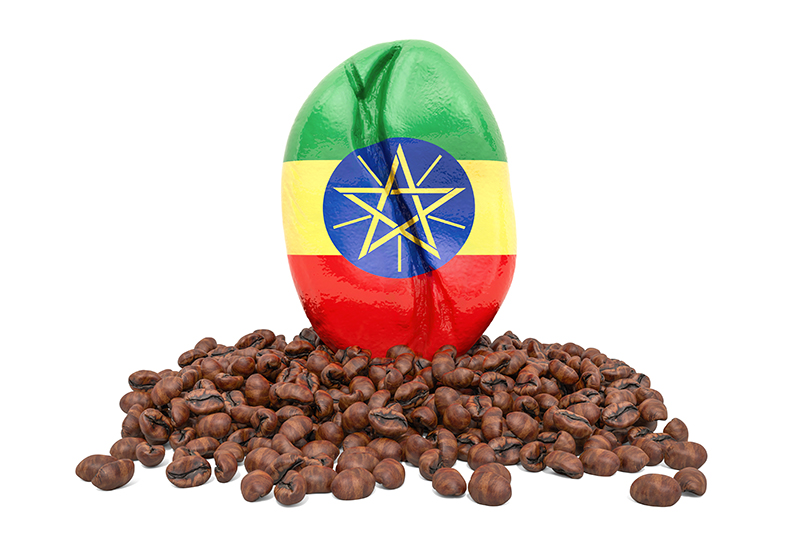
Ethiopia is often considered the birthplace of coffee, and its high-quality Arabica beans are prized for their diverse flavors and rich history. The most famous Ethiopian coffee comes from the Yirgacheffe region, known for its bright acidity, floral aroma, and fruity flavors.
Ethiopian coffee has a unique taste that distinguishes it from others, often exhibiting notes of berries, citrus, or chocolate. The country’s high elevations and fertile soil contribute to the extraordinary quality of its coffee.
2. Colombia
Colombia has long been known for its exceptional coffee, with a perfectly balanced flavor profile. Colombian Arabica beans are considered some of the finest in the world. The country’s diverse geography allows for multiple harvests throughout the year, enhancing its coffee production.
Colombian coffee is characterized by its medium, bright acidity, and a wide range of flavors, from nutty and chocolatey to fruity and floral.

3. Brazil
Brazil is the second largest coffee producer of in the world, exporting billions of pounds of coffee beans annually. The country’s vast size and variety of growing regions mean that Brazilian coffee is diverse in flavor and intensity.
Arabica and Robusta beans are both commonly grown in Brazil, with each variety offering a different taste experience. Brazilian coffee is known for its nutty, chocolatey flavor and lower acidity, making it a popular choice for espresso blends.
Coffee plantations in the southeastern Brazilian state of Minas Gerais benefit from the region’s rich soils and favorable climatic conditions. The area’s high altitudes, combined with ample rainfall and sunshine, create an ideal environment for the cultivation of high-quality coffee beans.
Many of the plantations in Minas Gerais have been around for generations and are owned and operated by families who take great care in ensuring the health and quality of their plants. Not only do these coffee plantations provide a source of income for thousands of families in the region, but they also contribute to Brazil’s reputation as one of the world’s top coffee producers.

4. Costa Rica
Costa Rica is a small country in Central America with a big reputation for high-quality coffee. Situated in the heart of the coffee belt, Costa Rica benefits from fertile volcanic soil and ideal growing conditions.
Costa Rican Arabica beans are known for their bright flavor, full body, and balanced notes of citrus, chocolate, and nuts. The nation’s dedication to quality control and sustainable farming practices further solidifies its position as a leading coffee producer.

5. Kenya
Kenya, an East African country, is renowned for its bold and flavorful Arabica coffee beans. With high elevations, rich volcanic soils, and ideal climate conditions, Kenyan coffee boasts a complex flavor profile featuring bright acidity, fruity flavors, and a medium to full body.
The country’s meticulous production process and emphasis on quality control contribute to the consistency and exceptional taste of Kenyan coffee.

6. Indonesia
Indonesia, an archipelago in Southeast Asia, is home to diverse coffee cultures and flavors. With over 17,000 islands, the country offers a multitude of microclimates and growing conditions, resulting in distinct regional coffee varieties such as Sumatran and Java.
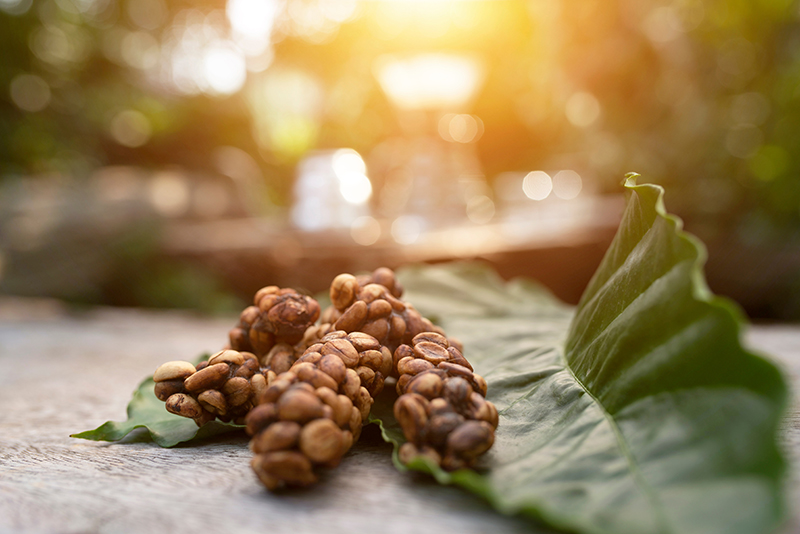
Indonesian coffee is known for its earthy, spicy flavors, and full body. One of the most famous Indonesian coffees is Kopi Luwak, a civet coffee which is made from beans that have been eaten and processed by a civet.
7. Guatemala
Guatemala, a Central American nation, boasts a rich coffee history that dates back to the 19th century. Fertile volcanic soil, high elevations, and optimal climate conditions make for ideal coffee-growing conditions.
Guatemalan coffee is prized for its vibrant, medium to full body, and nuanced flavor profiles, showcasing notes of chocolate, caramel, and fruit. The country places great importance on sustainable farming and quality control, further enhancing its coffee production and global reputation.
8. Yemen
Yemen has become known as one of the top coffee countries in the world. Yemeni coffee is in high demand due to its complexity of flavors and unique production process.
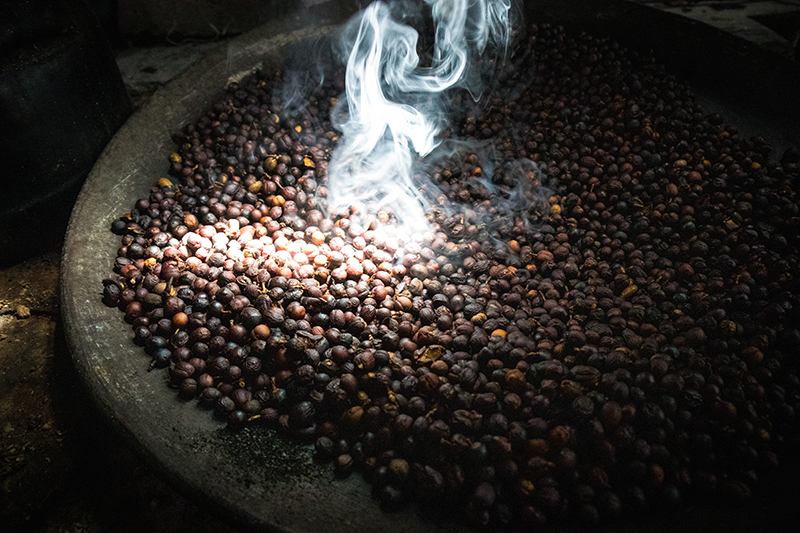
The coffee is grown on small family farms at high altitude and harvested by hand, making it a labor-intensive and specialized crop. Yemen’s history in coffee production dates back to the 15th century, and their techniques have been passed down from generation to generation.
Yemeni coffee is praised for its fruity and spicy notes, often with hints of chocolate or jasmine. With its unparalleled flavor and rich history, Yemen remains a prominent destination for coffee enthusiasts seeking the best of the best.

Coffee Varieties
Arabica
Arabica is the most popular type of coffee bean, accounting for around 60% of global coffee production. It is grown predominantly in Ethiopia and other countries situated within the “bean belt”, such as Colombia, Brazil, and Costa Rica.
Arabica beans generally have a delicate flavor with fruity and floral notes, as well as a bright acidity. It is favored by specialty coffee lovers and producers due to its unique and complex flavors.

Robusta
Robusta is the second most popular coffee bean variety, making up around 40% of worldwide coffee production. This hardy type of coffee plant is typically grown in lower altitudes in countries like Vietnam and Uganda.
Robusta beans contain more caffeine than Arabica beans, which results in a stronger, more bitter flavor. Robusta coffee is often used in espresso blends and instant coffee due to its intense taste.

Yirgacheffe
Yirgacheffe coffee is a well-known variety from Ethiopia, prized for its unique and exceptional flavors. It is a type of Arabica bean, grown in the Yirgacheffe region.
This variety features floral and citrus taste profiles, making it highly sought after by coffee connoisseurs. A cup of Yirgacheffe coffee may offer notes of jasmine, lemon, and bergamot, creating a bright and vibrant flavor profile.

Coffee Flavors
Fruity Flavors
Fruity flavors can often be found in Arabica coffee varieties, particularly those grown at high altitudes. These beans tend to have a more pronounced acidity, which can bring out the fruit-like flavors in the coffee.
The fruity notes may vary depending on the coffee’s origin, ranging from tart berries to sweet tropical fruits.
Sweetness
Coffee beans can exhibit different levels of sweetness depending on the variety, origin, and processing method. Arabica beans generally have a natural sweetness, which is often enhanced through processing methods such as honey or natural processing.
This sweetness can complement the fruity and floral flavors found in many Arabica varieties, creating a balanced and enjoyable cup of coffee.
Acidity
Acidity is an essential element of a coffee’s flavor profile, contributing to its overall brightness and complexity. Both Arabica and Robusta beans can have varying levels of acidity, influenced by factors like altitude, soil, and processing methods.
Higher-grown Arabica coffees often exhibit a brighter acidity with a crisp, refreshing taste, while lower-grown Robusta beans can have a heavier body and more robust flavor.

Coffee Production and Farming
Coffee Production Methods
Coffee is produced in more than 70 countries worldwide, with the top five coffee-producing countries being Brazil, Vietnam, Colombia, Indonesia, and Ethiopia. Brazil alone accounts for nearly 40% of the global coffee supply, producing approximately 5.7 billion pounds of coffee beans.
Coffee production starts with the harvesting of coffee cherries, which contain the coffee beans. There are two primary methods for harvesting coffee cherries:
- Selective Picking: In this method, the coffee cherries are handpicked only when they are optimally ripe. This results in higher quality coffee, as only the best cherries are picked. However, selective picking is labor-intensive and costly, making it less common in large-scale coffee production.
- Strip Picking: This method involves either manually or mechanically removing all coffee cherries from the plant at once. While this is a less labor-intensive method, it also results in a mixture of ripe and unripe cherries, which can affect the overall quality of the final product.
After the cherries are harvested, they go through processing methods such as wet or dry processing to remove the coffee beans from the cherries. The beans are then roasted, ground, and brewed to produce the coffee we know and enjoy.
Farming Practices
Farming practices play a crucial role in coffee production as they can directly impact the quality, sustainability, and environmental footprint of the coffee. There are several farming practices that coffee farmers implement:
- Shade-Grown Coffee: This farming technique involves growing coffee plants under a canopy of taller trees, providing shade and creating a more diverse ecosystem. Shade-grown coffee promotes biodiversity, reduces soil erosion, and often results in a higher-quality coffee with more complex and nuanced flavors.
- Organic Coffee: Organic coffee is produced without the use of synthetic pesticides and chemical fertilizers. This not only reduces the farmers’ exposure to harmful chemicals but also helps protect the environment and the ecosystems surrounding the coffee farms.
- Fair Trade Coffee: Fair Trade certification ensures that coffee farmers are paid a fair price for their crops, promotes sustainable farming practices, and supports community development through education, healthcare, and infrastructure.
It is essential for coffee farmers to adopt sustainable and environmentally friendly practices to ensure the long-term health of their crops and the ecosystems they rely on. By supporting coffee producers who prioritize these practices, consumers can actively contribute to the global push for a more sustainable and responsible coffee industry.

Coffee Culture and Consumption
Global Coffee Culture
Coffee culture has become a global phenomenon, with each country showcasing its unique take on this beloved beverage. For instance, French coffee is known for its strong and rich flavors, often enjoyed in traditional Parisian cafes. Turkish coffee, on the other hand, is served in small cups with a thick layer of grounds at the bottom, showcasing the deep and robust flavor profile of the beans.
Countries like Japan have embraced coffee culture in a different way, with the rise of intricate latte art and meticulously crafted pour-over coffee techniques that highlight Japanese precision and attention to detail. Meanwhile, Brazilian coffee is recognized for its iconic nutty and chocolatey notes, which pair well with the lively South American lifestyle.
Another notable coffee culture can be found in Indonesia, where java beans are produced within diverse farming systems, and even the civet cat plays a role in processing beans for the renowned Kopi Luwak coffee. Vietnamese coffee is also a standout, served with sweet condensed milk, giving it a unique and indulgent taste.

Coffee Consumption Trends
When it comes to coffee consumption, European countries dominate the charts. Among them, Finland takes the lead with an impressive 12 kg of dry coffee beans consumed per capita annually.
This translates to an average of four cups per day and 26 pounds per year for each person. The general Finnish coffee drinker consumes between eight and nine cups daily, with some enthusiasts reaching up to 30 cups per day.
Europe, in general, stands as the highest coffee-consuming continent in the world, with most of the top 10-consuming nations being European – with Canada as the exception. Scandinavian countries are particularly known for their high per-person coffee consumption, likely due to their long, dark, and cold winters.
By exploring varied coffee cultures and their consumption trends, we gain a deeper understanding of the diverse ways in which coffee is enjoyed and cherished around the world. The intricate and distinctive flavors, brewing techniques, and cultural customs found in countries like France, Turkey, Japan, Brazil, Indonesia, and Vietnam all contribute to the richness and depth of the global coffee culture phenomenon.

Coffee Beans, Roasts, and Quality
Coffee Bean Selection
Choosing the right coffee bean is crucial to creating a delicious and aromatic cup of coffee. There are two main types of coffee beans: Arabica and Robusta.
Arabica beans are known for their delicate flavors and light-to-medium body, while Robusta beans have a stronger taste and higher caffeine content. The origin of the beans also plays an important role in their flavor profile.
Some of the best coffee-producing countries include Ethiopia, Kenya, Colombia, and Costa Rica, among others. Each country produces great coffee from beans with variations in taste, from fruity and floral to nutty and chocolatey.
Roasting Methods
Roasting methods play a significant part in determining the flavor and aroma of coffee. There are four main types of roasts: light, medium, medium-dark, and dark. The roasting process involves applying heat to the coffee beans to enhance their flavor, body, and aroma.
- Light roasts have a lighter color and a bright, acidic flavor. They retain more of the original bean’s taste and are suitable for mild flavor preferences.
- Medium roasts have a medium-brown color and a balanced flavor, aroma, and acidity. Most everyday coffee drinkers prefer this roast.
- Medium-dark roasts have a rich, dark color and a bolder flavor. They boast a slightly heavier body and a slightly sweet aftertaste.
- Dark roasts have a deep, dark color, and their flavors tend to be smoky and bitter. They possess a heavy body and a pronounced flavor.
Quality Control
To ensure a consistent, high-quality coffee experience, quality control is essential in the coffee industry. Coffee beans are inspected and graded at various stages of the production process. Several factors are considered when evaluating the quality of coffee beans, including the beans’ appearance, aroma, and defects (such as insect damage or improper drying).
Quality control also extends to the roasting process, where roasters closely monitor temperature, time, and bean color to achieve the desired flavor profile. The brewed coffee undergoes further assessment to ensure its taste, aroma, and body meet quality standards.
By maintaining strict quality control measures, coffee producers, roasters, and distributors are able to provide a consistent and enjoyable coffee experience for consumers.

Frequently Asked Questions
Top coffee producing countries?
Globally, the top coffee-producing countries are Brazil, Vietnam, and Colombia, fueling the growing demand for this beloved beverage.
Ethiopia, Kenya and Uganda are also among the top coffee-producing countries recognized for their high-quality coffee.
Best European coffee countries?
While European countries are not as famous for producing coffee beans as their counterparts in the coffee belt, they have a strong coffee culture. Italy, for instance, is well-known for its espresso and coffee-related inventions, while Denmark and Norway are recognized for their vibrant specialty coffee scenes.
Why is Colombian coffee popular?
Colombian coffee is popular because the country produces high-quality Arabica beans that are versatile and uniquely flavorful. With different quality levels, such as Extra, Excelso, and Supremo, Colombian coffee appeals to a wide range of tastes and preferences.
Most expensive coffee origin?
Panama’s Gesha coffee is one of the most expensive coffee beans in the world. The Gesha variety, originally from Ethiopia, has gained popularity in the annual Best of Panama competition, increasing the demand and price for this exquisite bean.
Country with the strongest coffee?
Determining the country with the strongest coffee can be subjective, as it largely depends on personal preferences and the roast levels applied. However, countries like Italy and Turkey are famous for their strong, dark, and dense coffee preparations, such as espresso and Turkish coffee, which can be quite potent.

Final Thoughts on the Best Coffee Country
There are several countries famous for their coffee. Ethiopia and Colombia hold significant places in coffee history and production. Other notable countries include Kenya, Brazil, Costa Rica, and Yemen, where distinct coffee varieties and processing methods contribute to their global recognition.
If you like to drink coffee, it’s definitely worth trying brews from these coffee growing countries.
Read Next:
