
Do you consider yourself a chocolate lover? If so, you’re in for a treat! This article will introduce you to the different types of chocolate, each with its own unique flavor.
The Different Types of Chocolate
As the saying goes, “there’s nothing quite like a bit of chocolate and a good book.” But for gourmets everywhere, we understand that not all chocolate is created equal. From white to dark; fruity, nutty or salty; with or without fillings – there are endless varieties of bars and flavors to choose from.
So how many chocolate flavors are there? Dark chocolate, milk chocolate and white chocolate are the three main types but there are actually ten different types that we will explore in this article.
Whether you like your chocolate sweet, savory, or somewhere in between, there’s sure to be a type that Delights your taste buds. Read on to learn more about these delicious varieties of chocolate!

1. Dark chocolate
Dark chocolate is the classic choice for those sweet tooth connoisseurs who crave a richer, more intense flavor than traditional sweet milk chocolates. Semisweet dark chocolate and its stronger, yet delightfully bitter flavor are the preferred sweet indulgences of many aficionados.
Dark chocolate bars are a great way to sample this landmark flavor in all its glory. Plus, every bite contains wholesome properties from antioxidants to healthy minerals.
Whether you’re looking for a snack or need something special to top off a meal, dark chocolate is the ideal selection for those seeking an exquisite culinary experience.

2. Milk chocolate
Milk chocolate is a sweet and creamy delight, with milk solids and milk powder incorporated in its formula. Dark milk chocolate offers a unique combination. This light chocolate maintains the cocoa flavor of dark chocolate while still offering the smoothness of milk.
With a wide variety of milk chocolates available on the market, there’s something for everyone. From traditional milk chocolate bars to fancy specialty candies, you’re sure to find something that satisfies your sweet tooth.

3. White chocolate
White chocolate is a type of chocolate that, unlike its darker counterparts, does not contain cocoa solids. In fact, it is not classified as a type of chocolate in many countries!
Despite this, white chocolate has an undeniable appeal due to its mild sweetness and creamy texture. Many people enjoy experimenting with the flavor by adding different ingredients such as fruits and nuts.
Eaten on its own or used as an ingredient in desserts or baked goods, white chocolate remains a popular choice among those looking for something delicious but unique.

4. Bittersweet chocolate
Bittersweet chocolate is a kind of dark chocolate that has less sugar and higher cocoa content than milk or semi-sweet chocolate. This makes it an extremely popular choice for baking and crafting confections.
Bittersweet chocolate has ample amounts of antioxidants, minerals, and vitamins which are essential for good health and taste delicious at the same time. It has a rich chocolate flavor with a hint of bitterness.
It is relatively easy to find in most supermarkets or specialty grocery stores, offering bakers an amazing option for adding rich flavor to their recipes without the guilt of a high sugar content.

5. Semisweet chocolate
Semi-sweet chocolate is ideal for baking, providing a luscious cocoa flavor without the bitter notes often associated with dark chocolate. It’s produced using cocoa solids combined with cocoa butter and other sweeteners, usually made using vanilla extract, cane sugar, and sometimes even cocoa powder to create a rich flavor.
The cocoa content in semi-sweet chocolate is usually between 60% cacao and 50% sugar. This means that it has the perfect balance of cocoa flavor versus sweetness to make the most delicious baked goods.

6. Ruby chocolate
Ruby chocolate is a delicious option for any chocoholic looking for something new. This unique type of chocolate has recently gained popularity for its smooth, berry-like flavor and elegantly pink hue.
Surprisingly, ruby chocolate does not contain any added colors or flavors. Its distinctive ruby color comes from the ruby cocoa bean, which is found in Brazil, Ecuador and the Ivory Coast.
The smooth texture of ruby chocolate makes it an ideal choice for baking or simply savoring slowly. Devotees of this unique confection enjoy the unique sweet and sour flavor that distinguishes it from other chocolates. Those who haven’t yet tried can rest assured they are in for a treat – you won’t be disappointed!

7. Baking chocolate
Nothing says ‘love’ quite like a chocolate cake made with care. Baking chocolate and chocolate cake seem to have an especially magical connection.
The sweet and rich smell of chocolate as it’s added to the batter creates a delightful aroma that often fills the entire house. Everyone has their own way of baking chocolate cakes, either by hand or machine-cut, but one thing remains constant – the chocolatey goodness that results can be enjoyed by all who take part in the baking process.
Whether you’re making chocolate chip cookies, peanut butter and chocolate bars or a classic chocolate cake, baking chocolate provides all the necessary ingredients to create something special, sure to leave your guests wanting more.

8. Chocolate liquor
Chocolate liquor is a key ingredient in all types of chocolate manufacturing and other baking processes. Not to be confused with chocolate liqueur, it is alcohol free.
Made from ground cacao beans, this unique liquid has an intense yet complex chocolaty taste that adds rich depth to the cocoa content used in bars, pastries, cookies and other desserts.
A favorable option when compared to artificial flavorings often found in store-bought products, pure chocolate liquor is an essential element when striving for a richly flavorful creation.

9. Couverture chocolate
Couverture chocolate is a type of high-quality, high-cocoa butter content chocolate typically used by professionals in baking and confectionery. This type of chocolate is made with pure cocoa butter and has a smooth texture and rich flavor, making it perfect for precise desserts such as chocolates and mousses.
Couverture chocolate melts easily and can be easily incorporated into batters or frostings, giving your confections a silky smooth texture. With its high cocoa content, it’s no wonder why couverture chocolate is the go-to choice of many chocolatiers. It is particularly popular for use in chocolate molds and usually comes in the form of chocolate chips.

10. Unsweetened chocolate
Unsweetened chocolate is made from coca beans that have been dried, fermented and roasted. This type of chocolate does not contain any added sugar, making it a much healthier and more natural option for those looking for a no-sugar treat.
Unsweetened chocolate is made from cocoa butter and cocoa beans, which are then ground into a paste to create the unique flavor profile. It has no additional sweeteners or flavors, so it has a naturally bitter taste with hints of nuttiness.
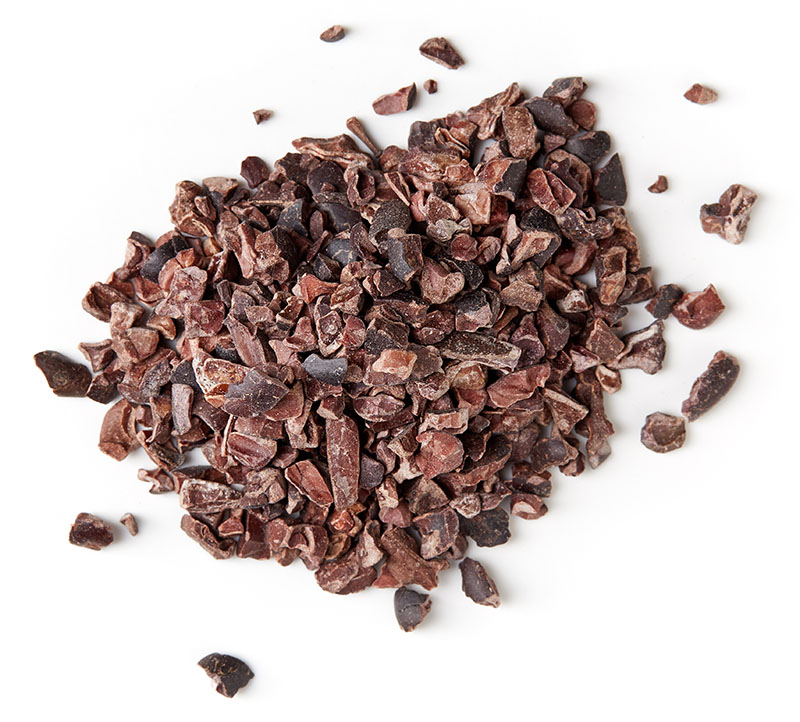
This type of chocolate may take some getting used to if you’re used to the sweetness of regular chocolate, but it’s definitely worth trying out! Cacao nibs are another unsweetened option, made from ground cacao bean.
In Conclusion: Different Types of Chocolate
There are many different kinds of chocolate to choose from, and each has its own unique flavor. Dark chocolate is the classic choice for those who like their chocolate intense and rich.
Milk chocolate is a sweeter, creamier alternative to dark chocolate. White chocolate is not technically chocolate, but still delicious all the same.
Swiss chocolate is some of the finest in the world, with a smooth texture and complex flavor. Belgian chocolate is another high-quality option, known for its unique flavor profiles.
Dutch process chocolate has been treated with an alkaline solution to reduce natural acidity and give a smooth taste. St Lucia chocolate tends to be organic, with intense flavors.
And if you want to add a touch of vibrance to homemade chocolates, you can use colored cocoa butter.
No matter what your preference, there is a type of chocolate out there for you. Be sure to check out our other articles on chocolate.
Read Next:
