
Japanese food culture is one deeply rooted in the country’s history, geography, and traditions. From delicate sushi to hearty ramen, the diverse flavors and textures present in Japanese dishes have made them popular worldwide. The cuisine’s unique characteristics, such as the use of fresh, high-quality ingredients and the attention to detail in presentation, have contributed to its rising status in the global culinary landscape.
Introduction to Food Culture in Japan
The foundation of Japanese food culture lies in its philosophy of balance and harmony, known as washoku. This principle emphasizes the importance of five colors, flavors, and cooking methods in every meal to create a visually appealing and deliciously satisfying experience. Washoku also prioritizes seasonal ingredients, fostering a strong connection between the dishes and the natural environment of Japan.
In addition, the Japanese food culture is heavily influenced by regional variations, with localities often boasting their specialty dishes. These regional differences are a result of the varied climate, environment, and historical influences throughout the archipelago.
For example, coastal regions are renowned for their seafood-inspired dishes, while mountainous areas benefit from the unique flavors of wild herbs and plants. Overall, the rich and diverse food culture of Japan captures the essence of the country, offering visitors and natives alike an unforgettable culinary journey.

History of Japanese Food Culture
In ancient times, the foundation of Japanese food culture was built on simple meals consisting of rice, fish, and vegetables cooked together. The Japanese people’s connection to nature and their philosophy of harmonious living greatly influenced the development of their cuisine.
During the 16th century, Portuguese traders first arrived in Japan, bringing with them new ingredients and cooking techniques. This cultural exchange led to the introduction of new dishes and flavors, notably deep-fried foods like tempura.
Moving into the Edo period (17th century), Japan saw an explosion of culinary innovation. With a growing urban population, specialized restaurants and food stalls emerged to cater to various tastes and budgets. Sushi, in its present form, was developed during this time, alongside other iconic dishes like soba noodles and udon noodles.
The Meiji period marked a significant shift in the Japanese food landscape, as the country opened its doors to Western influences. With a strong push for modernization, Western-style dishes started to gain popularity, giving rise to new culinary creations like yoshoku, a distinctive fusion of Japanese and Western flavors.
Traditional Japanese Cuisine
Traditional Japanese cuisine is deeply rooted in the country’s history, emphasizing the harmony of taste, textures, and appearance. The culinary traditions are vastly diverse, consisting of various dishes that showcase regional flavors and seasonal ingredients.
Kaiseki Cuisine
Kaiseki cuisine is the epitome of Japan’s culinary artistry, offering a refined and delicate gastronomic experience. Originally served as a prelude to tea ceremonies, kaiseki has evolved into a sophisticated multi-course meal comprising appetizers, soups, sushi, grilled dishes, and a dessert.
In kaiseki cuisine, great respect is given to natural, seasonal ingredients, with an emphasis on presentation and balance. Traditional Japanese dishes such as sashimi and tempura are prepared in the kaiseki style with meticulous attention to detail.
A prevalent feature in Japanese meals is the use of noodle soups and a bowl of rice. These elements are designed to enhance the meal’s overall harmony, providing balance to the other rich and flavorsome dishes.
The Japanese diet is particularly renowned for its health benefits, incorporating a diverse array of fresh ingredients such as fish, vegetables, and tofu. Many dishes are prepared using heart-healthy cooking methods like steaming, simmering, or grilling, making them an integral part of the daily meal plan.
Another popular culinary tradition is the hot pot meal, where a pot of simmering broth is placed at the center of the table, with ingredients like meat, vegetables, and tofu added over time. This interactive style of dining allows friends and family to share and enjoy a variety of flavors while engaging in conversation.
In conclusion, traditional Japanese cuisine is a testament to the nation’s profound respect for nature, balance, and harmony, with each dish carefully crafted to bring delight to all the senses.

Famous Dishes and Ingredients in Japanese Cuisine
Rice-Based Dishes
Japanese food culture is deeply rooted in rice-based dishes. A staple of the Japanese diet, rice serves as the foundation for many meals, including sushi and onigiri (rice balls). Sushi, often made with raw fish, is a popular dish worldwide. Rice cakes, known as mochi, are made from pounded sticky rice and can be sweet or savory.
Noodle Varieties
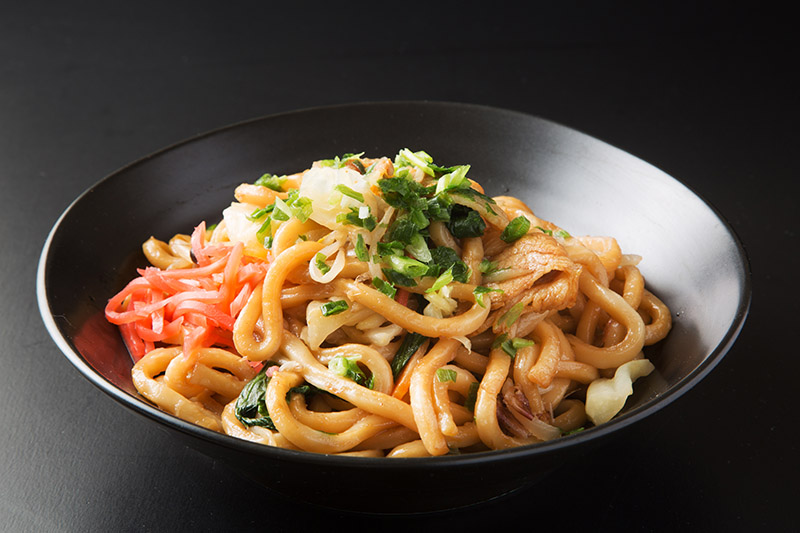
Japan boasts a variety of noodles, with two main types: soba, made from buckwheat flour, and udon, made from wheat flour. One can find these noodles in dishes like yakisoba (stir-fried noodles with vegetables), served with a soy-based dipping sauce, and tempura udon (thick wheat noodles in a flavorful soup). Both noodle varieties can be served hot or cold, with a variety of ingredients such as bean sprouts, vegetables, and different types of dipping sauces.
Fish and Seafood
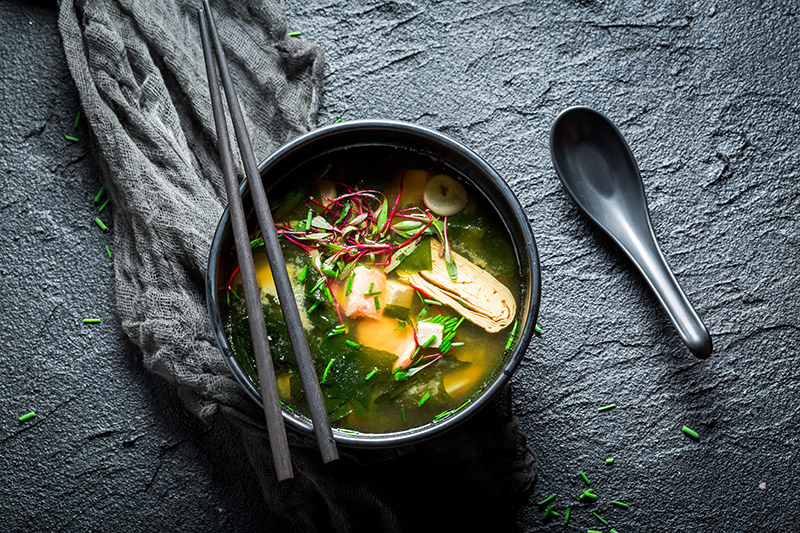
With its extensive coastline, Japan has a rich tradition of fish and seafood dishes. Aside from the raw fish in sushi, thinly sliced sashimi showcase the freshness and quality of the fish. Miso paste, made from fermented soybeans, is a common ingredient in Japanese cooking and can be found in dishes like miso soup, which often includes fish and other seafood.
Vegetarian Delights
Japanese cuisine also offers a variety of vegetarian options. Sweet potatoes, for example, are a common ingredient in both sweet and savory dishes. Miso soup can also be made vegetarian-friendly by using vegetable stock instead of fish stock and incorporating ingredients like tofu and seaweed.
A popular vegetarian dish is agedashi tofu, which consists of fried tofu served with a soy-based dipping sauce. Vegetables like bean sprouts are used in numerous dishes, such as yakisoba and various stir-fries.

Meals and Food Customs in Japan
Family Meals
Japanese food culture revolves around the idea of balance and harmony. Family meals often consist of multiple side dishes, emphasizing variety to ensure a well-rounded dining experience.
In a typical Japanese household, rice is the main staple, accompanied by a variety of side dishes including fish, vegetables, and pickles. Although flavors and ingredients may vary regionally, the nutritional balance remains a priority among Japanese people.
Several side dishes commonly served in family meals include:
- Miso soup: a traditional Japanese soup made from fermented soybean paste.
- Tsukemono: pickled vegetables in different flavors such as salty, sweet, or sour.
- Nimono: simmered vegetables with a flavorful broth, often including ingredients like soy sauce, sugar, and sake.

Dining Etiquette in Japan
Japanese dining etiquette is deeply ingrained in the country’s food culture, demonstrating mutual respect among diners. Proper table manners are essential when having a meal with Japanese people, and it’s important to be aware of some basic rules:
- Chopsticks: Never stick your chopsticks vertically into a bowl of rice, as it’s considered disrespectful. Also, avoid passing food directly from one set of chopsticks to another.
- Pouring drinks: It’s customary to pour drinks for others, particularly in a social setting. When someone pours a drink for you, lift your glass slightly to show appreciation.
- Starting the meal: Wait for the host to say “itadakimasu” before beginning to eat. This expression translates to “I will receive” and is a way of showing gratitude for the meal.
- Finishing the meal: When done eating, place your chopsticks on the chopstick rest or across the edge of your bowl and say “gochisousama deshita,” showing appreciation for the meal.
In conclusion, Japanese food culture places significant emphasis on balance, variety, and etiquette, ensuring that every meal is a harmonious and respectful experience for both the diners and the food itself.

Influence of Western Food in Japan
The introduction of Western food in Japan dates back to the mid-19th century during the Meiji Restoration. Since then, Western food has had a significant influence on Japanese cuisine. The driving force behind this transformation was the desire to modernize Japan and embrace the customs of the West. This was seen as a symbol of progress and sophistication.
One of the most prevalent examples is the adaptation of bread in Japanese food culture. Known as pan, bread has become a staple in Japan, where it is often consumed for breakfast or as a snack.
Japanese bakeries offer an array of unique and delicious pastries inspired by Western styles. Additionally, Japan has created its version of sandwiches, known as sando, which feature various fillings such as egg salad or tonkatsu (crispy pork cutlet).
Another notable influence is the Japanese adaptation of French, Italian and American dishes. Western restaurants have been established throughout Japan since the late 19th century, offering modified versions of Western dishes.
For example, omurice, a Japanese dish consisting of an omelette filled with fried rice, ketchup, and chicken, is derived from Western-style omelettes. Likewise, the Japanese version of curry, although introduced by the British from India, has become a distinct dish with unique flavors and ingredients, often served over rice.
The incorporation of Western ingredients and cooking techniques is also evident in Japanese cuisine. Many modern Japanese dishes use ingredients like cheese, mayonnaise, tomatoes, and potatoes, which were originally unknown in Japan. Wafu pasta represents the fusion of Japanese and Italian cuisine, characterized by its use of traditional Japanese flavors like soy sauce and wasabi in pasta dishes.
In summary, Western food has greatly influenced the evolution and diversity of Japanese cuisine. This transformation is evident in the adaptation of Western dishes, ingredients, and cooking techniques, resulting in a rich and unique food culture that still maintains its authenticity.

Japanese Food Culture in Modern Times
Today, Japanese food culture is continuously evolving to cater to both local and international preferences. Convenience stores, grocery stores, and Japanese culture play essential roles in shaping the modern food scene.
Cuisine Beyond Japan
One of the most significant contributors to the spread of Japanese cuisine beyond its borders is the rise of convenience stores. These 24-hour shops offer a wide variety of Japanese food items, such as bento boxes, onigiri, and traditional sweets. As Japanese convenience stores like Family Mart and Lawson expand to other countries, they bring with them an authentic taste of Japanese food culture, making it accessible to people worldwide.
Grocery stores, too, have a significant impact on the globalization of Japanese cuisine. Many supermarkets outside Japan dedicate aisles to Japanese ingredients, like sushi rice, miso paste, and nori sheets. These easily accessible ingredients encourage people to try their hand at creating Japanese dishes at home and exploring new flavors.
In Japanese culture, presentation is an essential aspect of food. Bento boxes, a popular lunch option in Japan, are an excellent example of this attention to detail. These aesthetically pleasing meals often consist of small compartments filled with rice, fish or meat, and vegetables. As bento boxes become more popular outside Japan, people are drawn to the visually appealing aspects of Japanese cuisine and its focus on balance and harmony.
Moreover, Japanese food has become renowned for its health benefits, stemming from its emphasis on fresh, high-quality ingredients, and minimal use of artificial additives. This aspect of the cuisine aligns with the global trend of health-conscious eating.
In conclusion, the popularity of Japanese food culture in modern times can be attributed to the expansion of convenience stores and grocery stores, presenting the cuisine in an approachable and health-conscious manner. As more people around the world experience Japanese cuisine, the influence of Japanese food culture continues to grow, shaping food trends worldwide.

Japanese Foods to Know and Try
Japanese cuisine is renowned for its simplicity, elegance, and delicate balance of flavors. Many people are familiar with dishes like sushi, ramen, and tempura, but Japanese food culture has so much more to offer. In this section, we will introduce some must-try dishes and food items for those who wish to dive deeper into Japanese cuisine.
Sashimi: This dish consists of thinly sliced, raw fish or seafood, often served with a side of soy sauce, wasabi, and pickled ginger. High-quality, fresh ingredients are key, and the simplicity of the dish allows the natural flavors of the fish to shine through.
Okonomiyaki: Sometimes referred to as Japanese savory pancake, okonomiyaki is a dish made of flour, eggs, shredded cabbage, and various other ingredients such as meat, seafood, vegetables, and cheese. The batter is mixed, poured onto a hot griddle, and cooked until golden brown. It’s often served with a thick, sweet sauce and mayonnaise, as well as a garnish of dried seaweed and bonito flakes.
Yakitori: Skewers of meat grilled over a charcoal fire and coated in a sweet and salty sauce.
Takoyaki: These are small, ball-shaped snacks made of batter filled with tempura or diced octopus, pickled ginger, and green onion. They are cooked in a special molded pan and served hot with a tangy sauce, mayonnaise, dried seaweed, and bonito flakes.

Japanese cuisine also offers a variety of noodle dishes:
- Udon: Thick wheat noodles served in a soy-based broth, often with ingredients like tempura, fish cakes, and green onions.
- Soba: Thin buckwheat noodles, either served cold with a dipping sauce or hot in a broth with various toppings.
- Yakisoba: Pan-fried noodles with vegetables and meat, seasoned with a sweet and savory sauce.
Some well-known rice dishes include:
- Donburi: A large bowl of rice topped with ingredients such as fish, meat, or vegetables, and a sauce.
- Onigiri: Rice balls filled with ingredients like pickled plum, salmon, or tuna, often wrapped in nori seaweed.
Kaiseki ryori is a traditional Japanese multi-course meal that showcases the season’s finest ingredients, prepared using various culinary techniques. It is an excellent way to experience the full breadth and depth of Japanese cuisine.
By exploring these diverse and unique dishes, one can appreciate the essence of Japanese food culture. Enjoy the culinary journey through Japan and don’t be afraid to try new flavors and experiences.
The Importance and Traditions of Japanese Food
Japanese food culture is deeply rooted in its history and traditions, shaping the nation’s culinary practices and preferences. One key aspect of Japanese food culture is its emphasis on fresh, seasonal ingredients. As a result, traditional Japanese cuisine, known as “washoku,” is celebrated for its emphasis on natural flavors and minimal processing.
Throughout history, Japan has been influenced by its close relationship with nature. The geography, climate, and abundance of natural resources in the region have all played a role in the development of its food culture.
Rice, for example, has been a staple in Japanese diets for centuries and is used in many dishes, including sushi and onigiri. Similarly, locally sourced fish and seafood are core ingredients in Japanese cuisine due to the nation’s proximity to the ocean.
Traditions in Japanese food culture have been passed down through generations, reflecting the importance of these practices in maintaining social harmony and a strong sense of community. The custom of communal eating, for example, plays a significant role in strengthening bonds among family members and friends.
In addition to the emphasis on fresh ingredients and communal experiences, Japanese food places importance on the aesthetic presentation of dishes. This derives from the belief that meals should be enjoyed visually as well as through taste, making for a multisensory dining experience. Colorful arrangements, garnishes, and intricate details help create this visually appealing presentation.
Finally, the importance of Japanese food culture goes beyond mere sustenance. It serves as a symbol of national identity and pride, as well as a form of art. The meticulous preparation and skillful techniques used in traditional Japanese cooking reflect a deep respect for both the ingredients and the diners who partake in the meal.
In conclusion, Japanese food culture is a rich and diverse tapestry of history, tradition, and culinary innovation. Its emphasis on fresh, seasonal ingredients, communal dining, and visual aesthetics highlights the significance and enduring appeal of this unique cuisine. With each meticulously prepared dish, diners experience not only a delicious meal but a glimpse into the heart of Japan’s cultural identity.

Interesting Facts About Japanese Food Culture
Japan, an island nation, has a rich and unique food culture that has evolved over centuries. The country’s cuisine is influenced by its geographical location, climate, and history. Here are some interesting facts about Japanese food culture that display its depth and diversity.
Japanese food culture is not just about sushi and ramen. The country boasts a wide range of dishes and regional specialties. There are various types of Japanese cuisine, including washoku (traditional Japanese food), yōshoku (Western-influenced Japanese food), and chūka (Chinese-influenced Japanese food). Each type has its unique characteristics and flavors.
In Japan, the presentation of food is considered an art form. Meals are often arranged in a visually appealing manner to enhance the overall dining experience. They often use seasonal ingredients and specific arrangements that complement the colors and textures of the ingredients.
An essential aspect of Japanese food culture is the concept of omotenashi, a Japanese word that describes the spirit of selfless hospitality. In Japan, hosts are dedicated to providing the best possible service to their guests, ensuring that their needs are met and they feel comfortable.
Some facts about the ingredients commonly used in Japanese cuisine are:
- Rice is a staple food and is often served with every meal.
- Seasonal ingredients play a vital role in Japanese dishes.
- Freshness and high-quality ingredients are highly valued.
- Fish is used more frequently than meat, mainly due to Japan being an island nation.
One unique feature of Japanese food is the concept of kaiseki, a traditional multi-course Japanese meal that usually consists of around 10-14 small, intricate dishes. Each dish showcases the chef’s skills and the season’s best ingredients, and the courses are served in a particular sequence to balance flavors and textures.
Japanese food culture also emphasizes the importance of table manners and dining etiquette. Some examples include:
- Slurping noodles is seen as a sign of enjoyment and appreciation.
- It is impolite to pass food with chopsticks, as it is associated with a funeral ritual.
- When enjoying shared dishes, it is customary to use a separate set of chopsticks or the reverse ends of your chopsticks for serving.
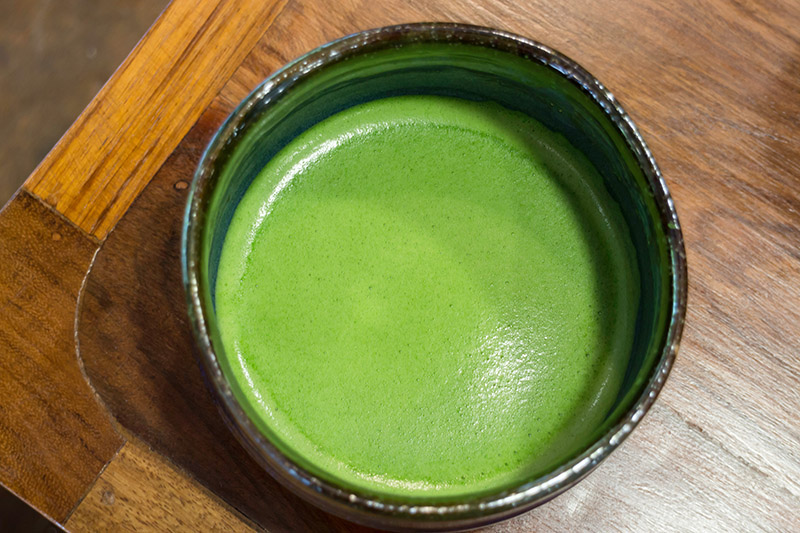
Finally, the Japanese tea ceremony, or chanoyu, is another essential aspect of Japanese food culture. It is a ceremonial preparation and presentation of green tea, known as matcha, and is accompanied by specific gestures, movements, and etiquette. The ceremony is often seen as a reflection of Zen Buddhism and Japanese aesthetics.
These interesting facts give a glimpse into the elaborate, diverse, and unique Japanese food culture that continues to captivate food enthusiasts worldwide.
Frequently Asked Questions
What are the main characteristics of Japanese cuisine?
Japanese cuisine is known for its emphasis on fresh, seasonal ingredients, minimal use of seasonings, and delicate presentation. It typically features light, subtle flavors, often relying on the quality of the ingredients themselves to bring out the taste. The cooking methods commonly used include raw preparations, grilling, steaming, and simmering.
How does seasonality influence Japanese food culture?
Seasonality plays a significant role in Japanese food culture, as it dictates the availability of ingredients and highlights the importance of using fresh produce. Seasonal ingredients are believed to be at their peak in both flavor and nutrition. The Japanese culinary tradition celebrates seasonal changes, with specific dishes and ingredients associated with each season.
What is the role of rice in Japanese culinary traditions?
Rice is a staple in Japanese cuisine and holds cultural importance. It is typically consumed at every meal, either as plain white rice or as part of other dishes. It serves as the base for many meals and is considered the anchor of Japanese culinary traditions. Rice is also used in the production of sake, a popular Japanese alcoholic beverage.
How does presentation play a part in Japanese food culture?
Presentation is a crucial aspect of Japanese food culture, often reflecting the season and natural environment. The arrangement of dishes, choice of tableware, and use of garnishes all contribute to the overall aesthetic and experience of the meal. Attention to detail is a key characteristic, with chefs taking care to ensure that each dish is visually appealing, as well as delicious.

What are some traditional Japanese food recipes?
Some traditional Japanese recipes include sushi, ramen, tempura, and miso soup. Sushi is a combination of vinegared rice, fish, and vegetables, often wrapped in seaweed.
Ramen is a noodle soup dish with various toppings such as pork slices, green onions, and boiled eggs. Tempura is a deep-fried dish made with seafood, vegetables, or other ingredients, coated in a light batter. Miso soup is a staple in Japanese cuisine, made with a combination of miso paste, dashi broth, and various ingredients like tofu and seaweed.
What are some must-try dishes for those exploring Japanese cuisine?
Some must-try dishes for anyone exploring Japanese cuisine include sushi, sashimi, tempura, ramen, udon, soba, yakitori, and kaiseki ryori. Sushi and sashimi offer a chance to experience Japan’s exceptional seafood. Tempura showcases the art of deep-frying with a delicate batter.
Ramen, udon, and soba represent different types of noodles, each with unique qualities and flavors. Yakitori, or skewered grilled meats, provide an opportunity to enjoy various parts of chicken. Finally, kaiseki ryori is a traditional multi-course meal that emphasizes seasonal ingredients and intricate presentation.
Read Next:
