
Italy has a very long and proud tradition of making cheese. For centuries, Italian cheesemakers have been carefully crafting some of the world’s most beloved cheeses.
From Parmigiano-Reggiano to Gorgonzola, Italian cheese is renowned for its diversity of flavors and textures. In this article, we will explore the history of Italian cheese, the different Italian cheese types, and why Denominazione di Origine Protetta (DOP) labeling is so important. We’ll also highlight some of the most popular Italian cheeses you should try if you get the chance.
A Brief History of Italian Cheese
Cheese-making in Italy dates all the way back to ancient Roman times, when it was a central part of their diet. The Romans were known for their skill at making a wide variety of different cheeses from cow’s milk and goat’s milk that were used for everything from religious ceremonies to dietary needs.
Over the centuries, cheese-making techniques became increasingly sophisticated as new equipment was invented and new techniques developed.
During the Middle Ages, taleggio and mozzarella were two of Italy’s most popular cheeses. By the 19th century, Italy had become one of Europe’s leading producers and exporters of cheese.

Main Italian Cheese Types
There are many different kinds of cheese in Italy. From fresh mozzerellas served in caprese salads to the ripened hard cheeses served with pasta dishes, the variety of Italian cheeses is nothing short of extraordinary.
Pasta filata cheeses originate from southern Italy and are known for their elasticity. The name translates literally to “spun paste”. Often shaped into round shapes such as balls or small rounds, pasta filata cheese has a distinctive stretchy texture. This makes it ideal for use on pizzas.
Italian cheese can be divided into three main categories of firmness: fresh soft cheeses (such as ricotta), semi-soft cheeses (for example, Gorgonzola), and hard cheeses (like Parmigiano-Reggiano and Grana Padano). Soft Italian cheeses tend to be creamy with a mild flavor while semi-soft cheeses are usually more pungent in taste. Hard cheeses have an intense flavor that develops over time as they age.
You can also classify Italian cheeses by their fat content: full-fat such as mascarpone, semi-fat such as Valle d’Aosta Fromadzo and those made from skimmed milk like Acceglio.
Another way to list Italian cheese is by the type of milk used in their production: cow’s milk (Parmigiano Reggiano, Tomino) sheep’s milk (Pecorino Romano, Ricotta), goat’s milk (Caprino, Blu di Capra), buffalo milk (Ricotta di Bufala Campana and Mozzarella di Bufala Campana) or a mix of several kinds of milk.

Denominazione di Origine Protetta (DOP) Labeling
In order to protect and promote authentic traditional products made in specific regions or provinces within Italy, DOP labeling is used by producers who meet certain quality standards and follow certain production methods approved by a commission. Protected designation of origin ensures that consumers know exactly what they are buying as well as where it comes from.
It also allows producers to protect their unique recipes from imitation or adulteration by outside sources who may not produce products with the same quality or consistency as those certified with DOP labels.
As well as famous Italian cheese types such as Gorgonzola, this DOP list includes many other great cheeses including Castelmagno, Montasio and Ragusano.
Regional Italian Cheeses List
Every region has its own signature cheese – think Parmigiano Reggiano and Grana Padano from Emilia-Romagna, Gorgonzola from Lombardy, and Pecorino Romano produced throughout Lazio, Sardinia and Tuscany.
Central Italy is known for its variety of flavorful and fragrant cheeses. From the provolone produced in Cremona, to the famous pecorino cheese made in Tuscany, the region offers an assortment of delightful options.
Northern Italy has some delightful hard cheeses such as Parmesan and Taleggio. This region of Italy excels at making cow’s milk cheese.
Southern Italy also has some exceptional cheeses such as Caciocavallo Silano and Provola.
Best Italian Cheese Types for Aperitivo
For a great addition to an aperitivo, look no further than Italian cheeses. Some popular choices include Grana Padano and Parmigiano Reggiano, both of which are aged hard cheeses that offer a slightly sweet, full-bodied flavor with an intense aroma.
But don’t forget about soft ripened cheese like Boschetto al Tartufo; this creamy cheese great for spreading on crackers has an earthy flavor from the truffles it is combined with. Gorgonzola Dolce is another excellent soft cheese great for snacking that is slightly mild yet creamy and tangy.
With these great Italian cheese options available, your aperitivo will be one to remember! Pair with extra virgin olive oil, and toasted bread. Add a charcuterie board and fresh fruit such as figs for something more substantial.
Most of these cheeses pair well with Italian red wine.

Best Cheeses in Italy for Pasta Dishes
Ricotta, parmesan and mozzarella are some of the most popular Italian cheeses used to add a creamy richness to your favorite pasta dishes. Fresh ricotta can be spread on top of a lasagna or added as an ingredient in ravioli or manicotti.
Parmesan gives a comforting flavor to fresh pasta dishes such as carbonara, puttanesca and aglio et olio. Mozzarella melts deliciously with tomatoes, basil and béchamel sauce over piping hot spaghetti.
Lastly, Gorgonzola adds an intense salty taste that is quite versatile, as it has been combined with lighter flavored pastas, such as angel hair (capellini).
15 Most Popular Italian Cheeses
This Italian cheeses list includes some international favorites and some cheeses that are not so well known outside of Italy. They’re all worth trying!
1. Parmigiano Reggiano (Parmesan Cheese)
This iconic hard cheese hails from the Emilia Romagna region of Italy. Parmigiano Reggiano is made with cow’s milk and aged for 12 months or more.
Also known as Parmesan and nicknamed the King of Cheeses, it produces a distinctly sharp flavor due to its aged quality. This unique flavor has made Parmigiano Reggiano a popular ingredient in Italian dishes, used to finish risottos and also as an addition to salads.
Rich in protein and calcium, Parmigiano Reggiano is one of Italy’s most beloved ingredients that adds granular texture and a delicious taste to any meal.

2. Grana Padano
Grana Padano is an Italian DOP cheese that is greatly appreciated around the world due to its flavorful and high quality. As we’ve seen, DOP stands for Protected Designation of Origin which certifies that the product’s ingredients have all originated from the same geographical area. This DOP certification ensures that production processes are closely monitored and controlled to create an uncompromised standard of taste excellence with Grana Padano, giving it its unique flavor.
It has a hard, straw-yellow grainy texture with a sweet nutty flavor. Grana Padano is made from unpasteurized cow’s milk combined with calf’s rennet and salt.

3. Mozzarella di Bufala Campana
This creamy white cheese is one of Italy’s most famous exports! Buffalo milk mozzarella has a smooth texture and mild flavor perfect for classic dishes like caprese salad or pizza margherita.
Fresh mozzarella cheese is made from buffalo milk from water buffaloes. This is why it’s known as buffalo mozzarella.
Although there are many types of mozzarella now available on the market, DOP Mozzarella di Bufala Campana stands out thanks to its DOP designation which requires it to be produced with techniques unique to that particular region in Southern Italy.

4. Burrata
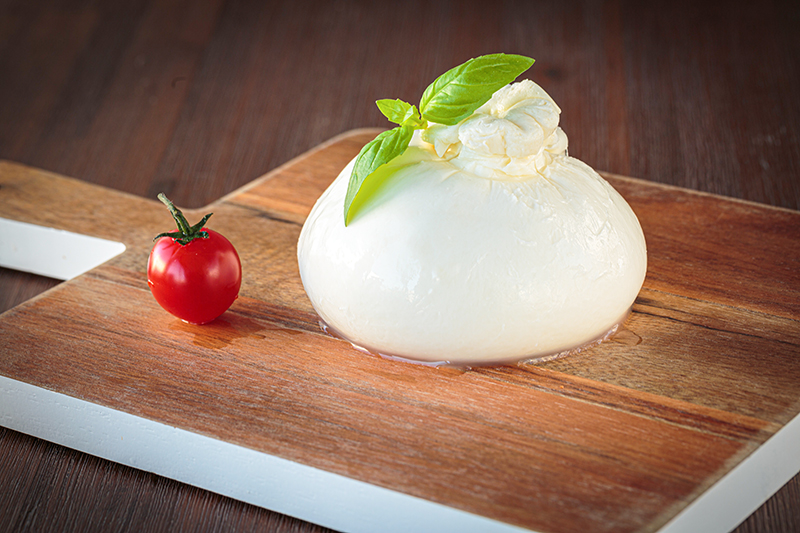
Burrata cheese is an Italian delicacy that originated in Puglia, in southern Italy. This pasteurized cows’ milk cheese is particularly beloved for its unique texture: the exterior is a solid shell of fresh mozzarella, while the center is composed of soft, melted cream and curd pieces.
This cheese has achieved fame in recent years due to its creamy flavor and surprisingly light texture. Burrata is best enjoyed when served as part of a simple antipasto or atop a pizza with tomatoes and basil, allowing its delightful flavor to stand out within any given dish.
5. Fontina
Fontina Val d’Aosta is a semi-hard Italian cheese made from unpasteurized cow’s milk in the Aosta Valley of the Italian Alps. The cows here graze on lush grass slopes, giving this semi-firm wheel its unique nutty aroma & subtle sweetness. It has a mild, buttery flavor with hints of fruit and nuttiness.
Fontina cheese is aged for at least three months, in which time its flavor will become more pungent and intense. Fontina Val d’Aosta has been granted Protected Designation of Origin status under Italian law, so you know you’re getting an authentic product when you purchase it!

6. Mascarpone
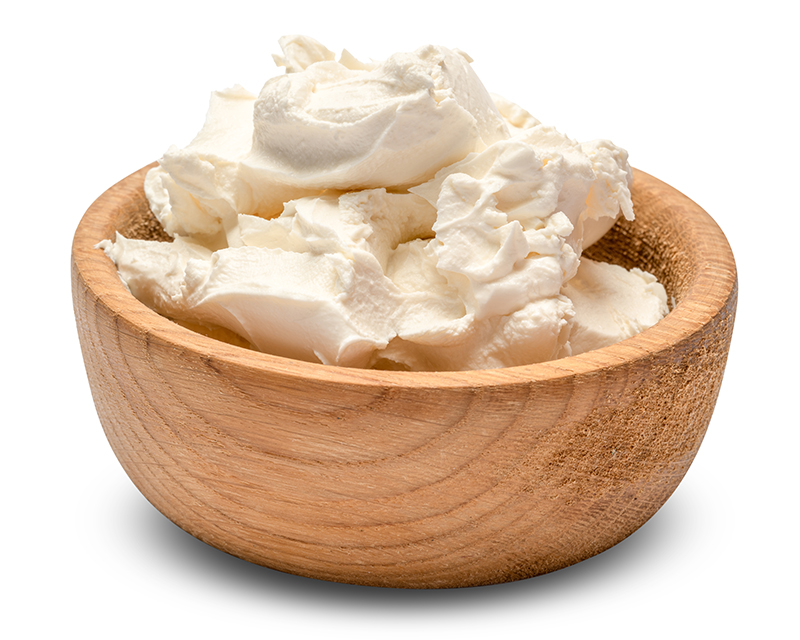
Mascarpone is an Italian acid-set cream cheese that has been a traditional part of the Italian diet for centuries. Rich and velvety, it can be eaten alone or as a dessert topping.
Mascarpone is made from cow’s milk, which is acidified with either lemon juice or vinegar. As the acidity sets in, it will cause the cream to thicken and take on a soft texture that is both lusciously creamy and slightly sweet with a hint of acidity.
This soft Italian cheese is perfect for making tiramisu, cheesecakes, ravioli fillings, risotto toppings, and more. Anything calling for a creamy texture will benefit from mascarpone.
7. Gorgonzola
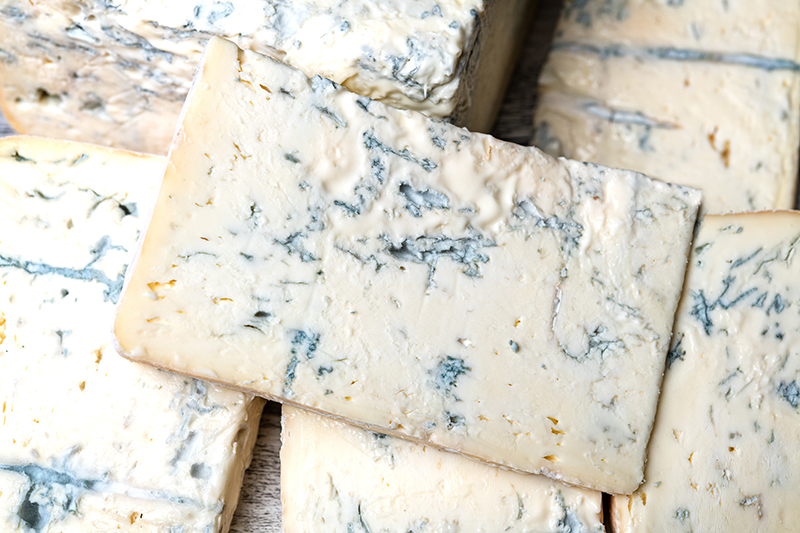
Gorgonzola is a famous Italian blue cheese originating from Lombardy in Northern Italy. It comes in two distinct varieties: Gorgonzola dolce, which is milder tasting and creamier in texture with a buttery finish; and Gorgonzola piccante, which has a sharper taste and crumbly consistency.
Both varieties are made from unskimmed cow’s milk and aged for a minimum of 3 months, resulting in strong yet flavorful cheese that works perfectly as an addition to salads or as the main component of pasta dishes. Whether you prefer the delicious dolce or the sharp piccante, Gorgonzola is sure to make your meal into something special!
8. Pecorino
Pecorino cheese is a family of sheep’s milk cheese originating mainly in Italy. The most widely known is Pecorino Romano, although other varieties such as Pecorino Sardo come from Sardinia, Pecorino Siciliano from Sicily and Pecorino Toscano from Tuscany are worth trying.
All versions of this cheese require sheep’s milk to manufacture. Pecorino Romano must age a minimum of five months to give it its characteristic flavor and aroma.
Most pecorino varieties have a distinctively sharp taste because of higher levels of lipase present in sheep’s milk, setting it apart from other hard cheeses like Parmiggiano Reggiano or Grana Padano.

9. Formaggio di Fossa
Formaggio di Fossa, which translates to “cheese of the pit,” is a specialty cheese from Emilia-Romagna, Italy. This unique product takes its name from the traditional method that’s used to ripen and age it: burying the cheese in pits.
The pits also contain various herbs native to Emilia-Romagna, helping to enhance the characteristically strong aroma and flavor that comes with indulging in this one-of-a-kind Italian delicacy. It’s said that Formaggio di Fossa dates back centuries.
This tasty Italian cheese remains a favorite of locals who appreciate its rich history and distinctive taste.

10. Ricotta
Where did ricotta cheese originate? The name ricotta comes from the Latin word recocta, which means cooked again. This historic cheese is thought to have been made by the Romans who cooked it twice to extract cheese from buttermilk.
Ricotta is made from the whey that is left after producing other cheeses—such as mozzarella—and so has a soft texture and mild taste. Fresh ricotta and salted ricotta salata are two distinct, yet delectable, varieties of this Italian cheese staple.
Fresh ricotta is typically enjoyed as an accompaniment to sweet treats such as pastries or used to give dishes (like lasagnes and cannellonis) an extra bit of moisture. Ricotta salata, on the other hand, undergoes salt curing and ageing processes that give it a drier texture and more pungent flavor than its fresh counterpart.
While salted ricotta can be enjoyed on its own, the most popular way to consume it is grated into salad dressings or sprinkled onto meat or fish dishes for added zing. Try ricotta with figs and honey for a delicious entrée.

11. Provolone
Originating in Calabria, Italy, Provolone cheese is widely beloved in multiple forms. Provolone dolce, which translates to sweet provolone, has a mild flavor and creamy texture that complements antipasto platters and pizzas alike.
On the other hand, spicy Provolone piccante boasts bold flavor notes with a tangy kick, boasting an intense taste making it delightful all on its own or as part of a grilled sandwich. Both forms are made from cow’s milk and provide distinctive flavors unique to Calabrian tradition.

12. Asiago
Asiago cheese is a versatile variety of cheese most prevalent in Veneto, Italy. Produced with cows’ milk, the cheese is available in two variants: Asiago d’Allevo and Asiago Pressato.
The former has a longer aging period and yields a more intense flavor with an almost granular texture, while the latter is younger and has a softer texture. While the older version of Asiago makes for a delightful table cheese eaten just on its own, the type that has been aged typically five months or less works wonderfully as a melting cheese in pies, pizzas, risottos, and even grilled sandwiches.
If you find yourself in Veneto and are looking for something new to try – grab some Asiago cheese!

13. Taleggio
Taleggio is a semi-soft Italian cheese usually aged for over two months and typically cut into rectangular shapes to be enjoyed. It was initially created in the Val Taleggio region of north Italy.
This washed-rind cheese is characterized by its pungent aroma and soft texture, as well as its salt-cured rind that often takes on a tallowy or straw color. Overall, Taleggio is known and loved globally for its powerful salty taste and bold umami notes that has been a staple of Italian cuisine for centuries.
Taleggio pairs exceptionally well with sweet items such as fruits and honey, as well as baked goods such as bread and flatbread.

14. Caciocavallo
Caciocavallo cheese is an Italian stretched curd cheese made from a mix of cow’s and/or sheep’s milk. Its name translates to “cheese on horseback” in Italian, which refers to the way that the cheese is hung on a string over a wooden board to age.
The aging process affects its taste, as it begins mellow with sweet notes, but becomes sharper after longer periods of aging. Overall, Caciocavallo cheese offers a unique combination of flavor, texture and shape that makes it unmistakable in any dish.

15. Tomino
Tomino cheese hails from Piedmont, Italy, and is made from cow’s milk. It has a distinctive cylindrical shape and slightly sweet, delicate flavor which makes it an increasingly popular addition to various cheese platters.
Originally produced as a snack food in Piedmont monasteries over 500 years ago, it is now widely available around the world. Those looking to make a unique addition to their cheese spread should look no further than Tomino cheese – its alluring aroma and hint of sweetness balances creamy textures perfectly!

Final Thoughts on the Best Italian Cheeses
With such an impressive wealth of options available, it can be difficult trying to decide which type of Italian cheese you should try first! However, no matter what type you choose—from ricotta salata to provolone piccante—you’re sure to enjoy each one’s delicious nuances as well as appreciate how each type reflects the rich history behind them all!
The popular types of cheese highlighted above are just scratching the surface; there are dozens more waiting out there ready for discovery so don’t hesitate any longer—get out there and start tasting your way through Italy’s extensive selection today!
Read Next:
