
Some say you can’t have too much of a good thing. Yet if you’re trying to limit your carb intake that’s not always true. Discover how many carbs in chocolate there are and find out what is the best chocolate to eat on a low-carb diet.
How Many Carbs in Chocolate?
Surprisingly, there’s a big difference in the amount of carbs in each type of chocolate. Read on to find out which ones are low and high in carbs.
According to the Dietary Guidelines for Americans, carbohydrates should make up between 45 to 65% of the calories in your diet. However, that doesn’t mean that there’s a green light to consume huge amounts of chocolate and candy ;-).
Complex carbohydrates from whole foods are the ones that you should be aiming to eat the most of. These are sources of dietary fiber and can be found in food such as fruit, vegetables, beans, wholegrains and nuts. Combined with healthy fats, complex carbs should make up a good portion of your food intake.
Simple carbohydrates, on the other hand, don’t provide as many nutrients. It’s wise to opt for unsweetened chocolate and to bake sweet treats yourself so that you know exactly what’s gone into them.
Cocoa butter, which comes from cocoa beans and is used to make chocolate doesn’t actually contain any carbs. It’s the sugar and other ingredients that contribute the carbs in chocolate treats.
An average serving size of 100 grams of chocolate contains 46 grams of carbs and 598 calories. The carbs represent 17%, fats make up 55% and protein contributes 16% of the percent daily values.

How Many Carbs in Dark Chocolate?
An average serving of food for candy and chocolate is considered to be 1 oz, or 28.35 grams. 1 oz of dark chocolate made from 75-85% cocoa solids contains between 3-12% carbs. The good news is that 3% of these carbs are fiber. There are some health benefits of chocolate if consumed in small amounts.
Dark chocolate can be eaten as part of a keto or low calorie diet, as long as it contains at least 70% cocoa. You can also buy sugar free, low carb chocolate.

How Many Carbs in Hot Chocolate?
The amount of carbs in hot chocolate really depends on how you make it. A typical hot cocoa with whole milk drink contains 3.73 grams of carbohydrates per ounce (28.35 grams).
A 20 gram sachet of ready made hot chocolate makes 6 – 8 fluid ounces of hot chocolate drink. This has between 17 to 25 grams of carbohydrates. If you make your own hot chocolate with no added sugars and use water instead of milk, this drops to 13 grams of net carbs.
Another good option, if you’re watching your carb intake is to switch regular dairy milk for unsweetened almond milk. This is a good keto-friendly hot chocolate option when you combine it with dark unsweetened cocoa powder.

How Many Carbs in a Cookie?
When you’re eating cookies, it can be hard to stop! They’re very moreish. However those carbs can mount up quickly, so be aware of that.
A single medium sized chocolate chip cookie contains between 6.7 to 9 grams of total carbohydrates. A large cookie can contain over 10 grams of carbs.
When you have time, the best way to control the amount of sugar and other ingredients is to bake homemade cookies. Use low-carb or unsweetened dark chocolate and chocolate chips and almond flour rather than wheat flour where possible.
The lowest carb natural sweetener is stevia. You can use it to make sugar free chocolate chip cookies.

How Many Carbs in Cocoa Powder?
One tablespoon of unsweetened cocoa powder contains 2.93 grams of carbs. You can safely include sugar free cocoa powder in a keto diet.
This type of cocoa powder is a good source of dietary fiber. It can help you to feel full for longer and also keep blood cholesterol at reasonable levels.
Cocoa powder with no added sugar also contains B vitamins, magnesium and manganese. You can add a few tablespoons of this type of cocoa powder to a smoothie, cereal or oats.

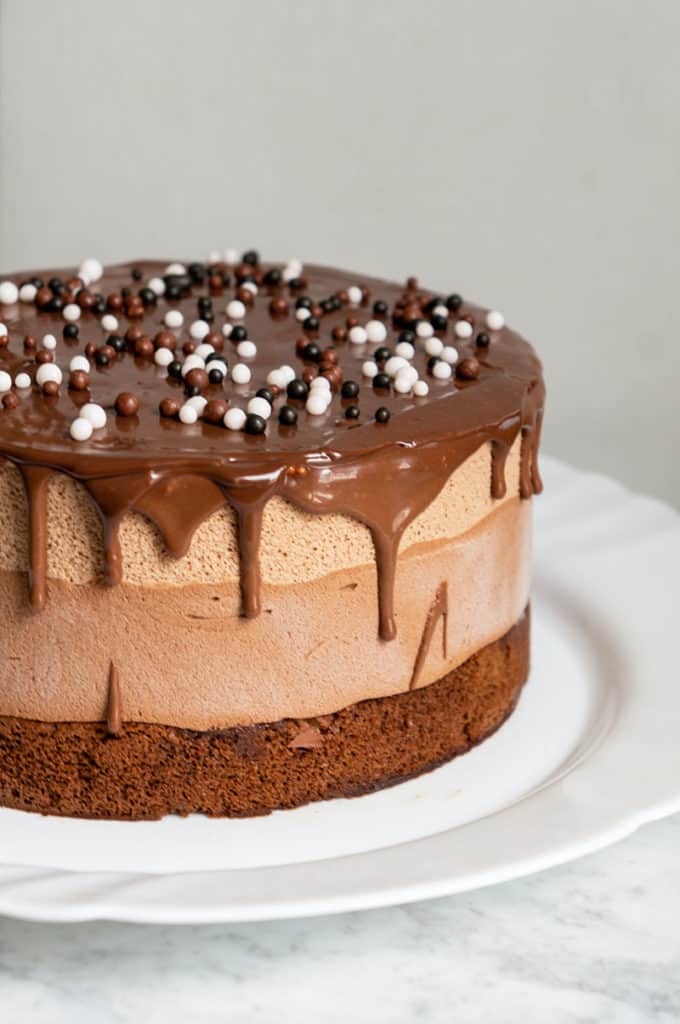
How Many Carbs in Chocolate Cake?
It should come as no surprise that chocolate cake is carb heavy. One slice of chocolate cake without frosting contains 32 grams of carbs.
A 1 oz slice of chocolate cake with frosting has as much as 51 grams of carbs. So if you’re trying to limit your carb intake, go easy on the icing.
Chocolate angel cake without frosting has around 32 grams of carbohydrates and chocolate chiffon cake is another good choice, with 29 grams of carbs.
Chiffon cake is very light as its made with vegetable oil rather than butter or shortening, and also lower in fat.
How Many Carbs in a Chocolate Bar?
The answer depends on the type of chocolate. A one oz dark chocolate bar contains around 46 grams of carbs, of which 11 grams are fiber.
This makes dark chocolate bars the healthiest choice. In comparison, a white chocolate bar contains roughly 50 grams of carbs, but only 0.2 grams of fiber. The remaining carbs are sugar, so it’s not the best dietary choice.
Milk chocolate bars aren’t much better, with an average of 57 grams of carbs, of which 2.1 grams is fiber. So if you can switch to dark chocolate bars, you’ll get a lot more fiber.
For those who like chocolate nut bars, seek out those with pecans, hazelnuts, macadamia nuts, brazil nuts or walnuts. These tree nuts contain the least carbs. Avoid pistachios which are comparatively carb heavy.
If you’re making your own chocolate bars, sunflower lecithin or soy lecithin contains zero carbs and can be used to make the chocolate easier to mix.

As you can see, taking a bit of care with your daily diet can make a big difference for weight loss and general wellbeing.
If you enjoyed this how many carbs in chocolate guide, you might also like:
- Fun Chocolate Facts for Kids
- How Long Do Chocolate Covered Strawberries Last?
- Is It Safe To Eat Raw Ginger?
- Italian Breakfast Foods
- Pure Honey vs Raw Honey
- The Best Ginger Teas
- The Best Manuka Honey Brands
- The Best Types of Italian Coffee
- The Health Benefits of Chocolate
Pin this how many carbs in chocolate information for later or share with friends.

